...
The tile model itself does not contain the door object itself, naturally, so you must leave a gap for the door you are going to add
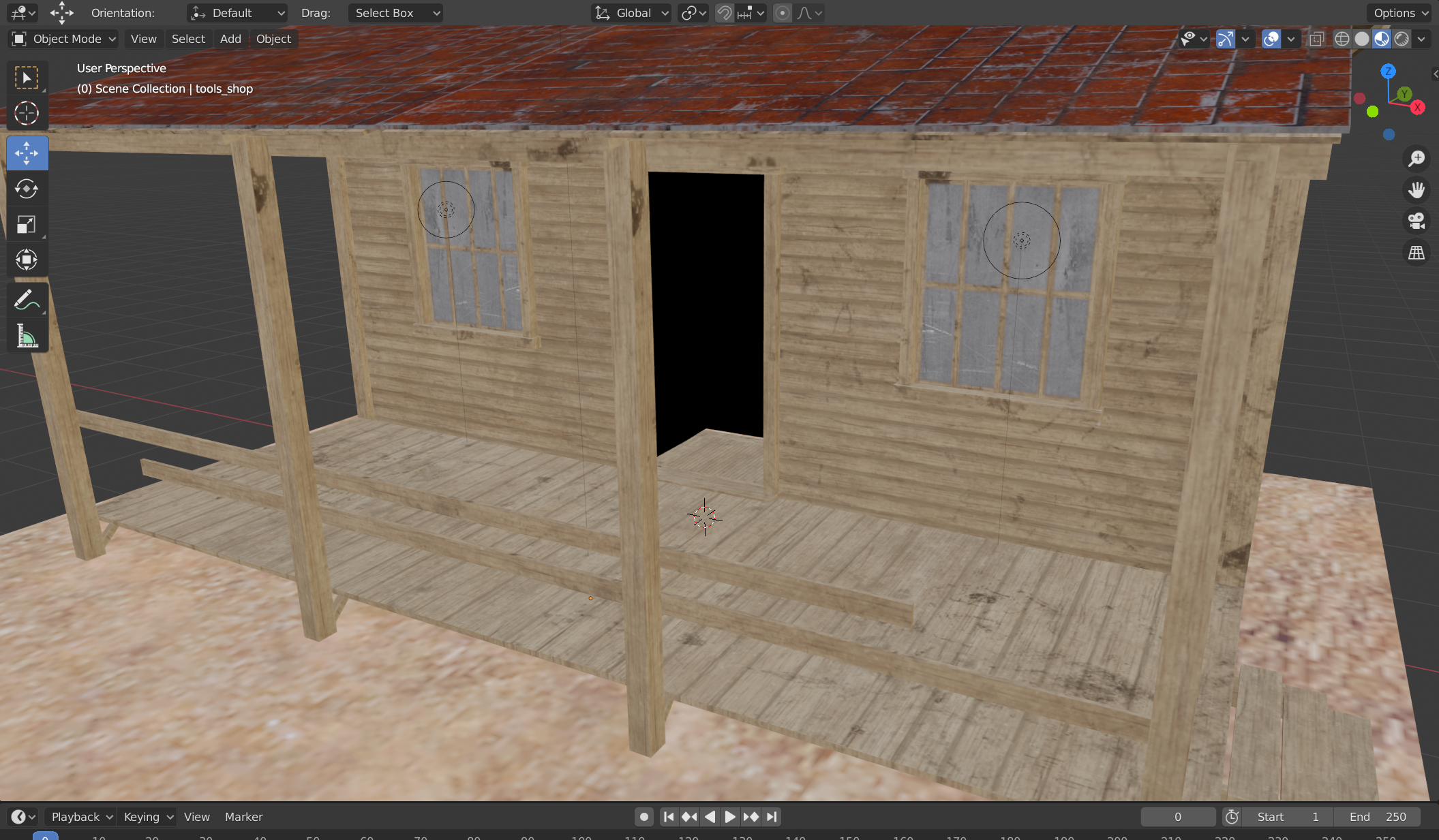
It's critical in the tile model that the walkmesh must be If you wish to be able to walk through a door without using a transition then there must be a walkmesh at the creature' s feet and there is complete clearance above, regardless of how high the actual door is going to be. So leave a gap. It must be open if you expect a creature to walk through to select it. You don't want to obstruct a creature
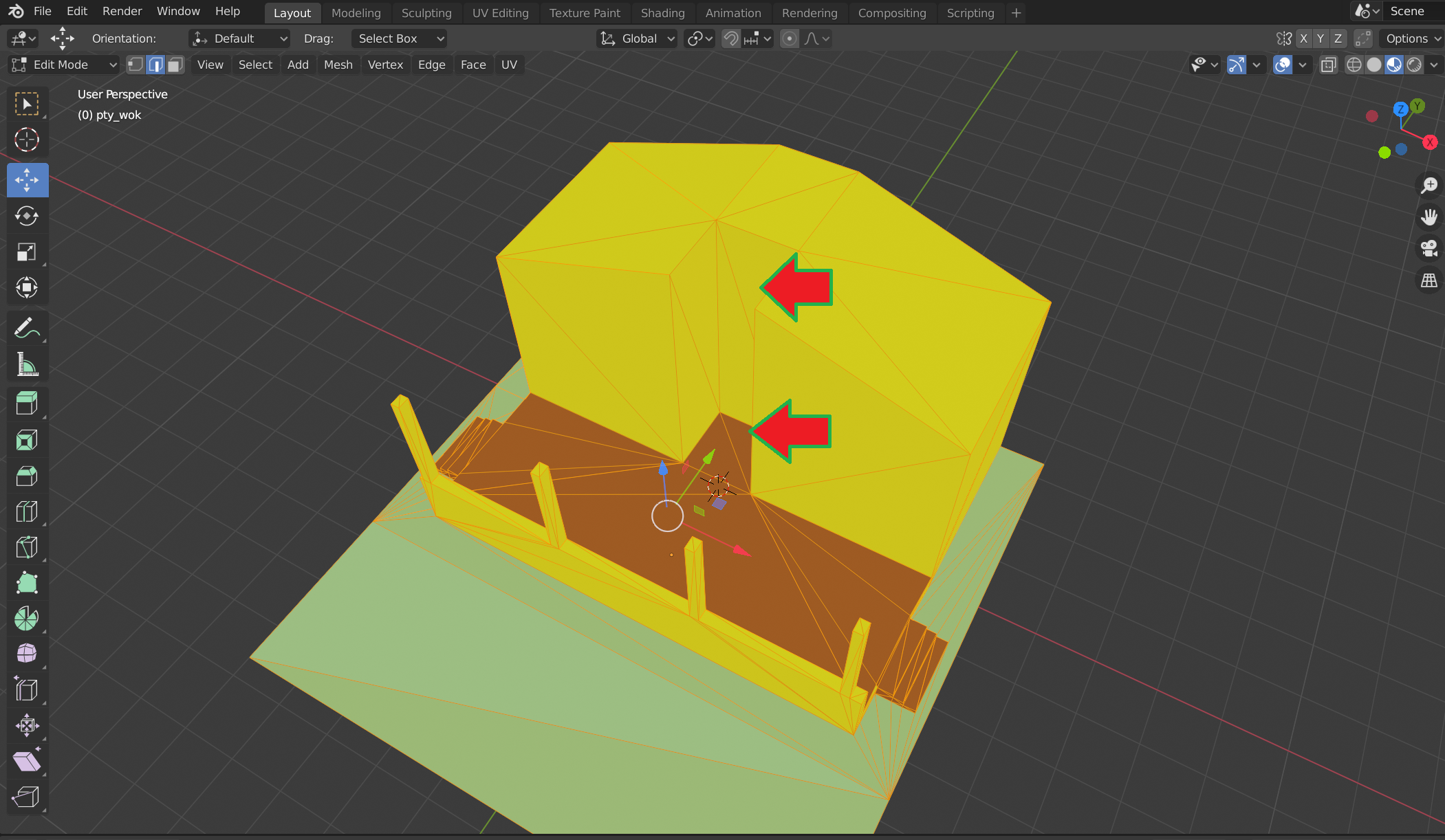
This is theway Bioware/Beamdog do it. I have found that it's a lot simpler not to allow a creature to walk under a door at all, except if you use the door to connect two tiles
Note: this entry only be required if you want to set the resref on the door to your specific value by default (something that can also be done by editing a copy of an existing door entry).
...
Type= - this is the entry for the row in doortypes.2da (see above) for the specific tile door you want displayed. Leaving this at 0 will allow for one of the generic types
X, Y, Z - the offset vectors of where the door is placed relative to the tile in floating point values. This is vital if you want your door to line up with your door frame in the model. Confusingly, x0.0, y0.0, z0.0 on a door corresponds to x5.0, y5.0, z0.0 on any tile not the bottom left hand corner as tiles use. (this is same as the model itself as seen inBlender). See below for tips on calculating this.
...